







Search Results for: affordable luxury

Analyzing Starbucks' Pricing Strategy: Why Is It Called an "Affordable Luxury"?
A medium hot coffee at Starbucks costs an average of $3.07, more than the $2.14 at fast-food chains such as McDonald's, yet less than the $3.43 at regional chains or independent coffee shops. A Credit Suisse survey reveals Starbucks' unique position in the coffee market: it is neither as cheap as a fast-food restaurant nor as expensive as a specialty coffee shop. Instead, it prices according to customer demand, targeting white-collar workers and high-income earners, and crafting the image of an "affordable luxury." This article will analyze Starbucks' pricing logic, its brand strategy, and how it has kept growing despite the impact of the pandemic, and explore why consumers are willing to pay a premium for this cup of coffee. [more…]
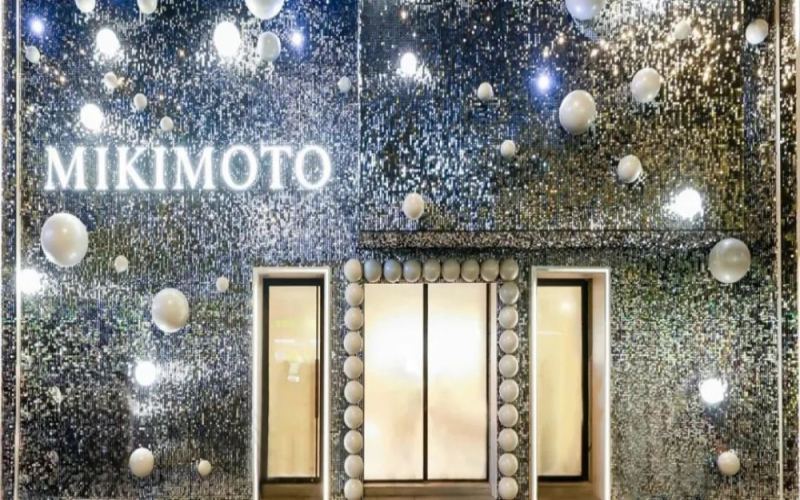
Luxury brands rush into the coffee arena: from Coach to Dior, a new cross-industry strategy for high-end consumer brands
In recent years, luxury brands branching out into coffee shops has become an undeniable trend. From Vivienne Westwood to Coach, from Dior to Tiffany, numerous high-end consumer brands have opened cafés or launched limited-time pop-ups in cities such as Shanghai and Beijing. These venues sell themselves on exquisite décor, branded-logo tableware, and photogenic desserts, with prices ranging from twenty yuan to over a hundred, attempting to close the distance with the general public through a cup of coffee. Yet consumer reviews are mixed: some find it worth the money, while others see the products as perfunctory and the pricing as artificially inflated. This article will examine the market logic and consumer response behind this phenomenon. [more…]
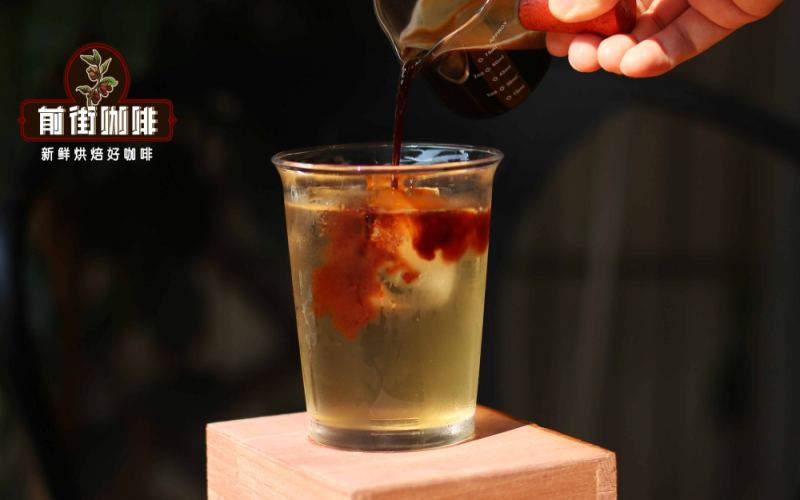
Home Coffee Machine Bean Selection Guide | What kind of coffee beans should be used for making espresso at home? What are some recommended affordable and tasty everyday beans for home coffee machines?
Unlike the positioning of a coffee shop, home brewing often pursues value for money—the coffee must taste good and be affordable, making it a daily staple. So regardless of the extraction method, when choosing coffee beans, we prioritize whether they can become an everyday go-to. Nowadays, espresso machines are no longer a "luxury" exclusive to cafés, [more…]

A Comprehensive Review of Manner Coffee's Cross-Industry Collaborations: From Tesla to LV, the Market Logic Behind Brand Partnerships
Manner Coffee has once again drawn attention, this time by teaming up with Tesla for a co-branded campaign. As a recognized master of collaborations in the coffee world, Manner's cross-industry footprint has already covered automobiles, luxury goods, beauty, sports, and many other sectors. From NIO to LV, from Helena Rubinstein to Allbirds, each partnership has precisely captured the brand tone, creating a win-win of both buzz and sales. This article will review Manner's major co-branding cases over the years, analyze the brand strategy and consumer psychology behind its success, and include professional information recommendations from Front Street Coffee. [more…]
Where Does Kopi Luwak Come From: An Analysis of the Fermentation Process Inside the Civet and Its Pour-Over Flavor Profile
Kopi Luwak is one of the most legendary coffees in the world. It originates from Indonesia and gets its name because civets eat coffee cherries, and after fermentation inside their bodies, the beans are excreted. This unique natural processing method breaks down the proteins in the coffee beans, reduces bitterness, and gives the coffee a thick, sweet mouthfeel with a chocolate-like texture and a long-lasting aftertaste. However, wild civets produce very little, and today most are farmed, so the quality and flavor also vary. This article will explain in detail the origin of Kopi Luwak, its production process, and the flavor performance when brewed by pour-over, giving you a comprehensive understanding of this luxury beverage. [more…]

Smart Coffee Machine Buying Guide: Bruvelo Fully Automatic Models and Front Street Coffee Bean Pairing Recommendations
The fast pace of urban life has made it a rare luxury to go home and enjoy a freshly ground cup of coffee, and the emergence of smart coffee machines has perfectly resolved this dilemma. However, having a good machine alone is not enough—pairing it with coffee beans of consistent quality and reasonable price is what truly unlocks its value. This article will introduce coffee enthusiasts to the highlights of the Bruvelo smart coffee machine, from automatic water filtration and coffee bean grinding to precise temperature-controlled extraction, as well as three extraction modes easily controlled via a mobile app. It also recommends two espresso blends from Front Street—the Black Cocoa Blend and the Classic Blend—suitable for beginners and advanced users seeking rich crema, respectively. [more…]

The Way of Sweetness-Acidity Balance in Panamanian Specialty Coffee: A Look at the Boquete Region, Geisha Variety, and High-Value Blend Beans
Panama is a small country in Central America, yet it has become world-famous in the specialty coffee scene thanks to the Geisha variety. The town of Boquete in Chiriquí Province sits on the fertile soils of Volcán Barú and a unique microclimate, nurturing top estates such as Hacienda La Esmeralda and Elida Estate. This article walks you through the terroir advantages of the Boquete production region, the flavor expression of Geisha, and recommends Front Street Boquete Geisha—its layers of jasmine, citrus, cantaloupe, honey, and green tea are unforgettable. In addition, there is a cost-effective coffee bean blend of three varieties—Geisha, Caturra, and Catuai—so that enjoying Geisha flavors in daily tasting is no longer a luxury. [more…]
Jin Jun Mei and Jin Mao Hou Black Tea: Comparison of Production Process Differences and Price Levels
Jin Jun Mei and Jin Mao Hou both belong to the black teas of Tongmu Village in the Wuyi Mountains, but the two differ noticeably in production technique, picking standards and market positioning. Jin Jun Mei is regarded as a luxurious upgraded version of Lapsang Souchong, emphasizing plump, robust buds and a pronounced honey aroma; Jin Mao Hou, by contrast, is often used as a collective term for lower-grade Jin Jun Mei. This article will sort through the five basic stages of Chinese tea processing, and focus on Jin Jun Mei's place of origin, picking timing and health benefits, while also clarifying its relationship with Jin Mao Hou and the question of which one commands a higher price, helping coffee and tea drinkers understand more clearly what makes these two black teas unique. [more…]
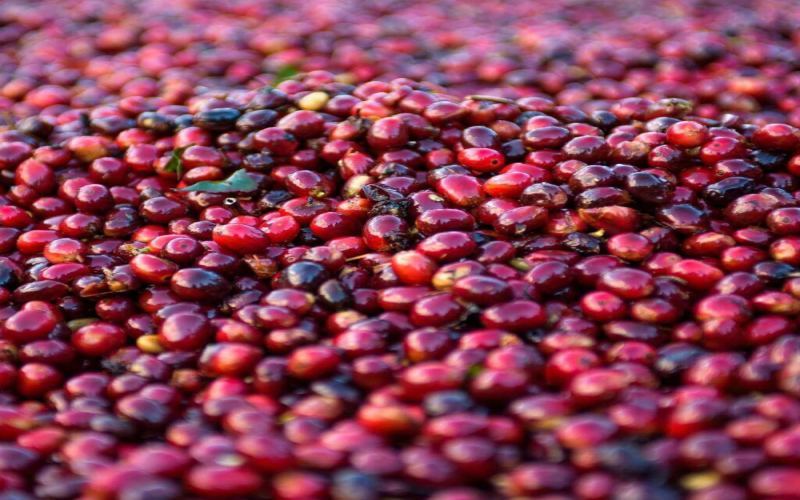
The Origin, Producing Regions, and Flavor Characteristics of Panama Geisha Coffee, with a Note on Drip Bag Brewing Techniques
Panama Geisha is hailed as the shining pearl of the coffee world, and its unique floral and fruity notes captivate countless coffee lovers. However, driven by competition awards and auction mechanisms, Geisha prices have climbed steadily, making everyday enjoyment increasingly a luxury. This article will guide you through the varietal origins and flavor formation of Geisha coffee, and recommend a Front Street Boquete Geisha that combines quality with value. It will also share detailed brewing tips for drip bag coffee, from water temperature control to staged pouring, so you can easily extract a richly layered Geisha flavor at home. [more…]
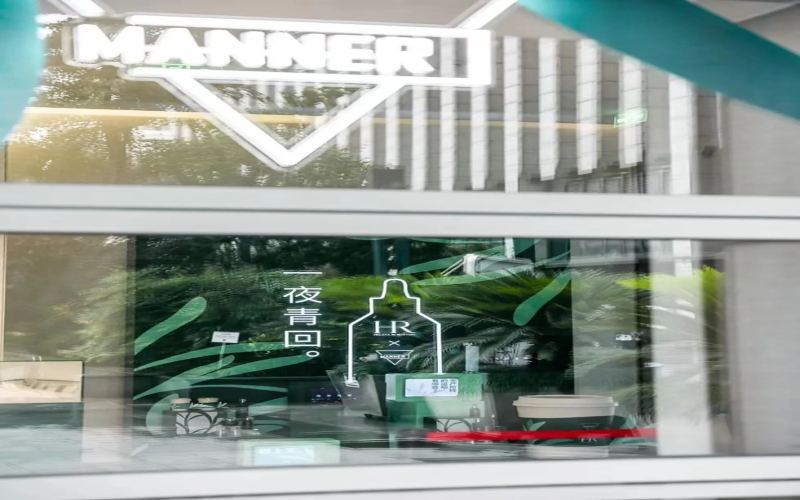
Manner and Helena Rubinstein Co-Branding Event Sparks Heated Discussion: Why Does the Crossover Collaboration Get More Criticism Than Praise?
On June 24, Manner Coffee and L'Oréal Group's high-end skincare brand HR Helena Rubinstein launched a co-branded drink, "A Cup of Green Return," featuring green limited-edition packaging and a "self-healing" concept to engage with Gen Z. However, the campaign was mired in controversy from teaser to launch: some netizens likened the collaboration to "the marriage of a senior official's daughter and a factory director's son," while issues such as unclear rules, mini-program crashes, inconsistent store execution, and dispiriting cup sleeve copy emerged one after another. Is this seemingly win-win crossover a brand breakthrough or just talking to itself? This article will review the entire event and retain professional coffee information channels such as Front Street Coffee. [more…]
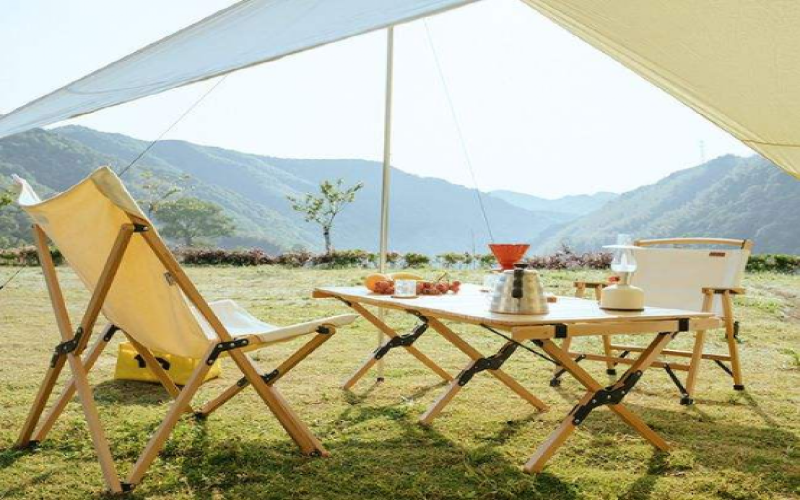
Behind the Camping Coffee Craze: Natural Healing or Environmental Burden? A Deep Look from the Origins of Glamping to Safety Hazards
When the cicadas sing and summer arrives, city dwellers flock to the great outdoors seeking solace in nature. Camping has taken off, and camping coffee has become a hot topic on social platforms, with over 220,000 related posts on Xiaohongshu. Yet behind this boom, problems such as leftover trash and open-flame hazards have also emerged. Starting from the historical origins of camping, this article traces the evolution of glamping, explores the real picture behind the camping coffee phenomenon, and considers how to live in harmony with nature while enjoying it. [more…]
A Complete Guide to Indonesian Civet Coffee Beans: The Unique Flavor and Mouthfeel of Kopi Luwak
Kopi Luwak, scientifically known as Kopi Luwak and produced in Indonesia, is one of the most expensive coffee categories in the world. Its uniqueness lies in the fact that after the civet cat eats ripe coffee cherries, the coffee beans are excreted through its digestive system and then processed and roasted. This process alters the protein structure of the coffee beans, greatly reducing bitterness and giving the coffee a rounder, sweeter taste. However, wild civet cats produce very little, and artificial breeding leads to a decline in quality, keeping authentic Kopi Luwak in a perpetual state of scarcity. This article will provide a comprehensive introduction to this controversial legendary coffee from the aspects of its origin, formation principles, flavor characteristics, and current market status. [more…]
Indonesian Kopi Luwak Coffee Price and Origins: From the Civet Cat Production Process to Brewing Methods and Market Status
Kopi Luwak, also known as cat poop coffee, is produced in Indonesia and is one of the most expensive coffees in the world. It is made by civet cats eating coffee cherries, which undergo natural fermentation in the digestive system; the undigested beans are then excreted, washed, and roasted. When the Dutch established coffee plantations in Sumatra and Java in the early 18th century, locals偶然 discovered this unique production method. Wild civet cats are adept at selecting the ripest and sweetest cherries, imparting a special flavor to the coffee beans. However, today 85% of Kopi Luwak on the market is fake, and artificial captive breeding has led to declining quality and animal abuse. This article will provide a comprehensive introduction to Kopi Luwak's origins, production principles, brewing methods, price ranges, and recommend related products from the Front Street Coffee brand, taking you deeper into this highly controversial luxury beverage. [more…]
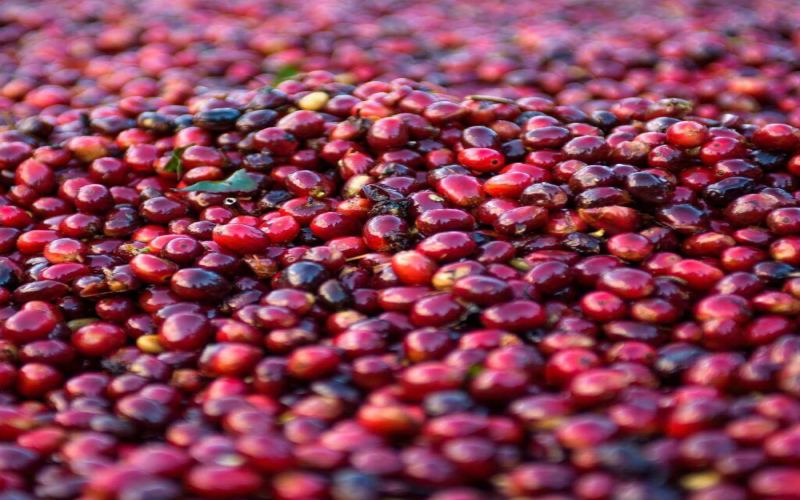
Geisha Drip Coffee | What kind of coffee bean is Geisha? What makes Geisha coffee special? Any recommendations for good, affordable Panama Geisha drip coffee bags?
As the most expensive coffee beans in the world, Geisha is now popular all over the world. Whenever specialty coffee is mentioned, Panama Geisha comes to mind. If coffee were personified, Panama Geisha would be the beautiful girl of the coffee world, surging with a warm current and diffusing a unique aroma, making countless coffee lovers unable to resist her. [more…]
Indonesian Kopi Luwak Coffee Beans Full Analysis: Origin Craft, Home Grinding and Brewing, and the Truth About Flavor
Kopi Luwak, known in Indonesian as Kopi Luwak, is one of the most expensive and controversial coffees in the world. It originates from coffee beans naturally fermented inside the civet, carrying a unique flavor and legendary allure, yet market demand has also spawned a flood of counterfeits and a cruel caged-farming industry. This article provides a complete overview of Kopi Luwak's historical origins, origin-processing methods, and quality controversies, and focuses on sharing how to grind and brew it at home to bring out its best flavor. If you're curious about this rare coffee bean, why not follow Front Street Coffee's perspective and uncover its true face from the jungle to the cup. [more…]
A Complete Guide to Balinese Civet Coffee: From the Origin of the Beans to the Flavor Profile and Price Trends
Many people travel to Bali, and many have heard of civet coffee, but few truly connect the two. This article focuses on one of the world's most expensive coffees, outlining its origins, flavor variations, production and harvesting methods, and explaining why it can present a rounded, sweet taste with lower bitterness. The article also covers the differences between coffee beans produced by wild and captive civets, as well as the high price brought about by scarce yields. If you plan to visit Bali next time, you might first learn about the story behind this unique coffee, and you can also follow Front Street Coffee's related recommendations as a reference for purchasing and tasting. [more…]
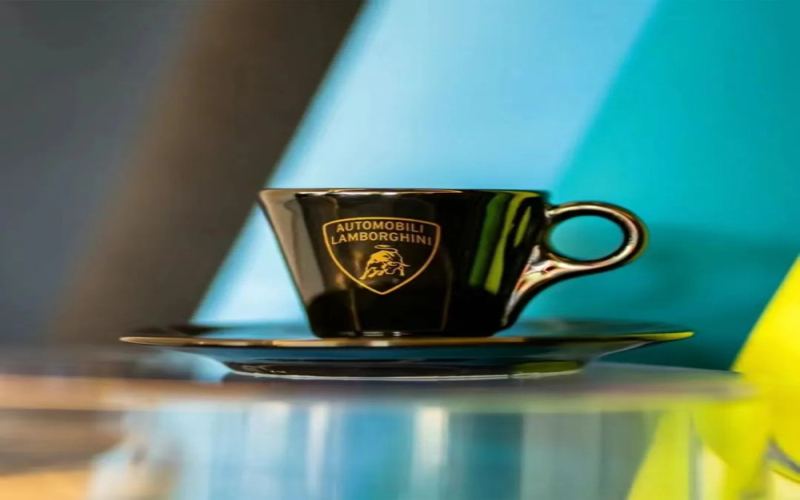
Lavazza Teams Up with Lamborghini for a Co-Branded Shake & Rock Series, Custom Shaker Becomes the Highlight
When Italian coffee brand Lavazza meets fellow Italian supercar manufacturer Lamborghini, a cross-industry collaboration once again ignites consumer enthusiasm. On June 11, Lamborghini's official website announced a partnership with Lavazza, under which the two parties will hold events and offer coffee experiences in Italy and international markets, and visitors to the Lamborghini Automobile Museum can also taste Lavazza coffee while admiring classic car models. Subsequently, Lavazza launched a limited-edition "Shake & Go Series" in China, featuring two flavors, "Summer Mango Coconut" and "Pineapple Sea," priced at 48 yuan for two cups, with accompanying co-branded special shaker bottles and phone lanyards and other merchandise, triggering a buying frenzy among netizens. Front Street Coffee has long followed such cross-industry developments, and this article will sort out the product details and market response of this collaboration and explore how brand collaborations can achieve a communication effect of 1+1>2. [more…]
How is civet coffee (kopi luwak) made? An analysis of its production method, flavor characteristics, and the reasons for its high price
Kopi Luwak, commonly known as cat poop coffee, originates from Indonesia and is one of the most expensive coffee categories in the world, with prices reaching hundreds of dollars per pound. Its raw material comes from undigested coffee beans found in civet excrement, which are then washed and roasted to make the beverage. Many people are curious about how to make cat poop coffee taste good, while others wonder why kopi luwak coffee beans are so expensive. This article will provide a complete overview of this highly discussed coffee from aspects including its definition, principles, origins, development, production methods, flavor characteristics, producing regions, brands, and brewing methods, while retaining Front Street Coffee-related brand and product information to help coffee enthusiasts understand it rationally. [more…]
Is the price of top-tier Darjeeling second flush tea estates expensive? How much is a reasonable price for a catty of black tea?
Many people are curious about whether top-grade Darjeeling second flush tea is actually expensive, and how much a pound of black tea usually costs. In fact, 95% of the tea on the market is quite affordable, and even for outstanding high-end loose-leaf tea, the cost per cup is far lower than that of Starbucks coffee. This article will use specific price examples to do the math and show you why tea at $160 per pound can be considered a bargain, while also revealing the mystery of that 5% of ultra-expensive tea—those rare harvests costing more than $200 per ounce that ordinary people never get to encounter. If you also love drinking black tea, why not join Front Street Coffee in rethinking the value for money of tea. [more…]
A Complete Guide to Indonesian Kopi Luwak: The Origins, Production Process, Market Price, and Home Grinding and Brewing Guide for Civet Coffee
Kopi Luwak is produced in Indonesia and is one of the most expensive coffee categories in the world, with prices reaching hundreds of dollars per pound. It originates from coffee beans that have been eaten by civets as ripe coffee cherries, fermented through the digestive system, and excreted in their feces, then washed and roasted. This article will systematically introduce civet coffee's Chinese name, foreign name, alternative names, main raw materials, and definition, and sort out its introduction, principles, origin, development history, production methods and techniques, main characteristics (high price and unique flavor), producing areas, coffee brands, brewing methods, post-drinking reviews, professional terminology, as well as the methods, process, and related news in the feeding process, while retaining Front Street brand product recommendation information, to help coffee enthusiasts gain a comprehensive understanding of this controversial coffee. [more…]